✉ info@nzbtr.org.nz
📍 Centre for Brain Research, University of Auckland
✉ info@nzbtr.org.nz
📍 Centre for Brain Research, University of Auckland
Te Rēhita Puku Roro is Aotearoa’s first national register of brain and central nervous system tumours. We bring clinicians, researchers, Māori data experts and whānau together to build one trusted picture of who is diagnosed, how they are treated and how they fare, so that care keeps improving for everyone.
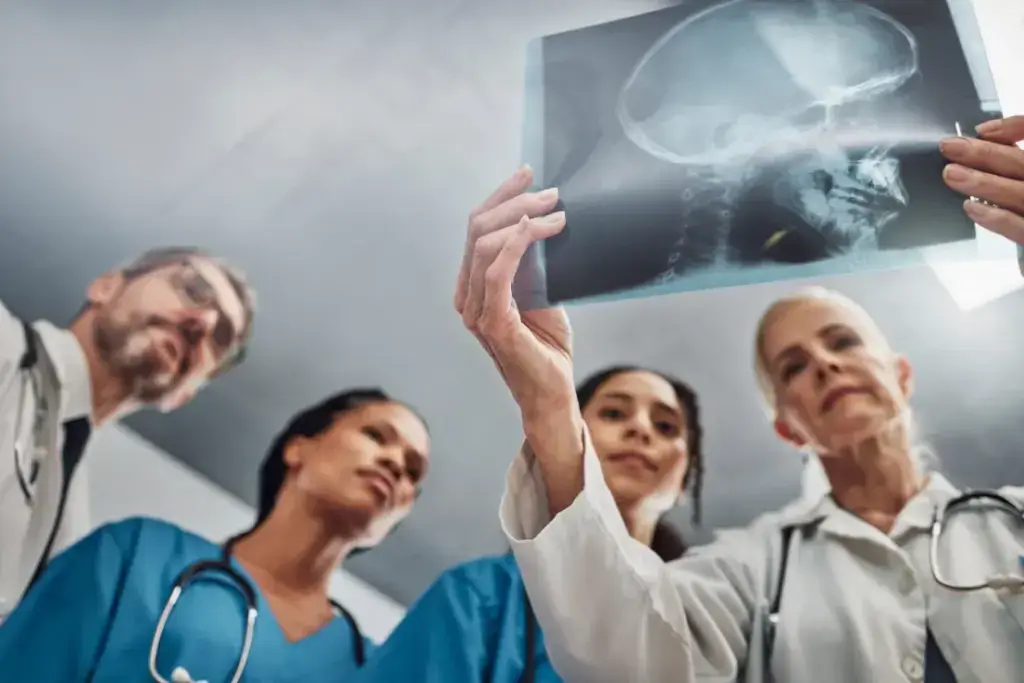
Established in 2023 and hosted by the Centre for Brain Research at the University of Auckland.
Hundreds of New Zealanders are diagnosed with a brain tumour every year, yet until now there has been no single, reliable source of information about them.
“A registry is only as strong as the trust people place in it. That is why we started with governance, not with data.”
Steering Group, New Zealand Brain Tumour RegistryBrain tumours are rare, complex and hard to treat. Care is spread across neurosurgery, oncology, radiology, pathology and palliative services in different parts of the country, and each service has kept its own records. That fragmentation makes simple questions surprisingly hard to answer: how many people are diagnosed each year, how long they wait for treatment, and whether outcomes differ by region or ethnicity.
We close that gap. By collecting a consistent, nationally agreed set of information for every person diagnosed with a brain or central nervous system tumour, we give clinicians the evidence to benchmark and improve care, give researchers a secure foundation for discovery, and give patients and whānau honest answers about what to expect.
We are a not-for-profit initiative. Our work is guided by ethics approval, the Privacy Act 2020 and the Health Information Privacy Code, and by the principles of Māori data sovereignty. Every decision about how information is collected, stored and shared is made in the open, with the people it affects at the table.
Receives notifications of new diagnoses from clinical services nationwide, coded to a shared national data dictionary.
De-identifies information before analysis, stores it in secure, access-controlled systems and reviews every request to use it.
Publishes plain-language reports, returns benchmarking insights to services and, from 2027, opens secure access for approved research.
We earn trust by being careful with information, transparent about how it is used and accountable to the people it belongs to.
We measure and report differences in access and outcomes so they can be addressed, with a particular commitment to Māori and Pacific communities.
Nationally agreed definitions, consistent coding and independent review mean our data can be relied on for clinical and research decisions.
We publish what we learn, explain our methods and welcome challenge from clinicians, researchers, patients and whānau.
A Steering Group holds overall accountability, supported by advisory groups that bring clinical, scientific, cultural and lived-experience perspectives to everything we do.
How governance worksSets strategy, approves policies and holds overall accountability for the Registry.
Neurosurgeons, oncologists, radiologists, pathologists and nurse specialists who shape what we collect and how it is fed back to services.
Ensures Māori data sovereignty principles are applied to how information is collected, held, used and shared.
People with lived experience of a brain tumour diagnosis who keep us focused on what matters to patients and families.

The New Zealand Brain Tumour Registry is hosted by the Centre for Brain Research at Waipapa Taumata Rau, the University of Auckland, and works alongside clinical services across Te Whatu Ora Health New Zealand.
Visit the Centre for Brain ResearchA clinical working group becomes a national initiative
Notifications from clinical services across Aotearoa
Secure access for approved researchers opens
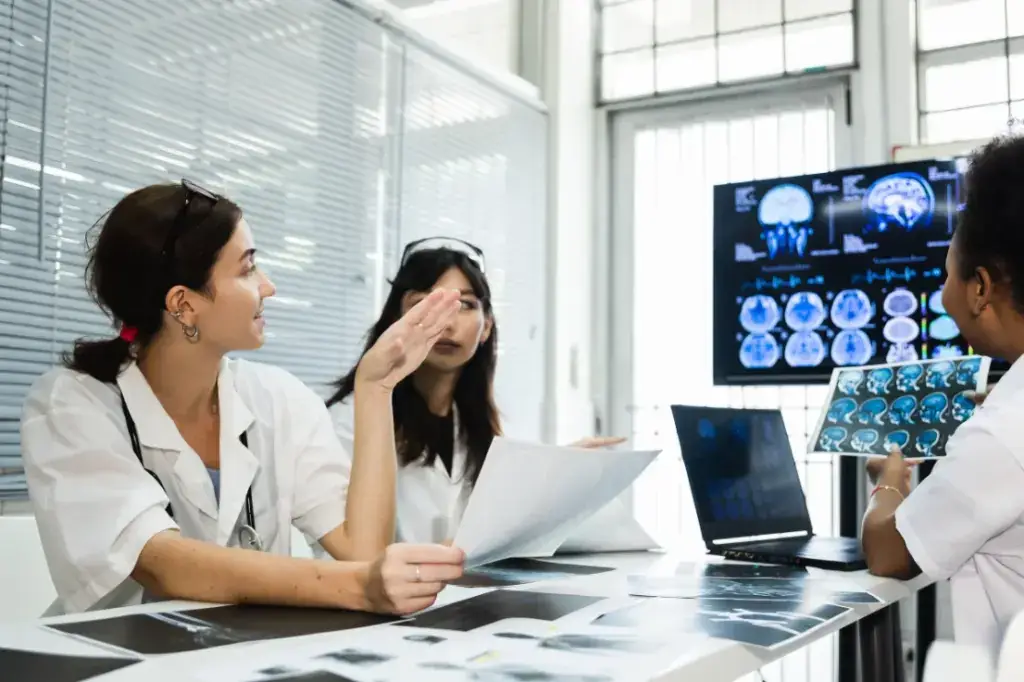
Follow the milestones behind the Registry, from the first working group in 2023 to the national rollout and what comes next.
Read our journeyWhether you’re a clinician, a researcher, a journalist or someone living with a diagnosis, we’d like to hear from you.